
The onset of memory loss rarely arrives with a single dramatic event. More often, it enters daily life as a series of subtle shifts. A misplaced set of keys, a forgotten appointment, or a repetitive question during a Sunday family dinner can initially seem like harmless signs of aging. In response, family members adapt with quiet devotion. They leave sticky notes on the kitchen counter, set gentle alarms for morning medications, and make frequent phone check-ins throughout the day. For a time, these small reminders create a reassuring sense of stability.
Yet, as conditions such as Alzheimer’s disease or other neurocognitive disorders progress, there comes a pivotal threshold where small reminders are no longer enough. The supportive structures that once brought order to daily life begin to falter. A calendar note cannot prevent a loved one from becoming disoriented on a familiar neighborhood street in Milwaukie, nor can a telephone call ensure that a burner on the stove has been safely turned off. Recognizing when daily challenges exceed the scope of home reminders is an emotional and profound realization for any family. Transitioning from informal assistance to specialized memory care is not a concession to decline; rather, it is a proactive act of foresight and love that restores safety, nurtures dignity, and brings lasting peace of mind to the entire family.
The Shifting Threshold: When Reminders Are No Longer Enough
Understanding the boundary between typical age-related forgetfulness and progressive cognitive impairment is one of the most critical challenges facing families today. Normal aging may involve occasionally misplacing an item or taking a moment longer to recall a name, but the foundational ability to manage daily routines remains intact. In contrast, conditions like dementia affect executive functioning, the brain’s ability to plan, sequence tasks, navigate environments, and process complex visual and auditory information.
When executive function declines, daily tasks that once felt automatic transform into overwhelming hurdles. Families often notice subtle warning signs that indicate home reminders are hitting their limits:
- Frequent Disorientation: Losing track of dates, seasons, or becoming confused in familiar settings, such as navigating local streets or public spaces in the Milwaukie area.
- Safety and Judgment Risks: Forgetting to turn off household appliances, neglecting basic home security, or falling victim to unexpected phone or doorstep scams.
- Medication and Health Mismanagement: Skipping prescribed doses, accidentally doubling up on medications, or struggling to follow dietary guidelines.
- Nutritional Neglect and Weight Loss: Finding unopened groceries spoiling in the refrigerator, skipping meals entirely, or losing the ability to sequence meal preparation steps safely.
- Changes in Mood and Behavior: Experiencing heightened anxiety, sudden mood shifts, uncharacteristic withdrawal from social circles, or late-afternoon restlessness.
When several of these indicators begin to overlap, relying solely on short check-ins or informal assistance can expose seniors to unnecessary risks. At this stage, what is needed is not simply more reminders, but an environment intentionally designed to provide continuous physical safety, predictable structure, and professional cognitive support.
The Hidden Strain on Family Caregivers
When an aging relative begins to struggle with memory loss at home, spouses and adult children almost always step forward to assist. Driven by deep affection and a sense of duty, these family caregivers manage complex daily responsibilities, coordinating medical care, preparing specialized meals, supervising hygiene, and maintaining constant vigilance to prevent wandering or accidents.
While this devotion is admirable, acting as a full-time caregiver carries a staggering physical, emotional, and psychological cost. Studies indicate that family caregivers frequently spend 100 hours or more every single month providing unpaid care. Balancing these intensive duties alongside personal careers, raising children, and managing individual households can quickly lead to profound exhaustion and burnout.
The biological toll of long-term caregiving is equally severe. Prolonged caregiver stress triggers a continuous release of stress hormones, which is known to weaken immune function. As a result, family caregivers are statistically far more susceptible to physical illnesses, such as the flu, compared to individuals who do not carry caregiving burdens.
Beyond physical health risks, the emotional bond between family members undergoes a quiet, often painful transformation. When daily visits become dominated by a checklist of chores, cleaning the house, managing pill boxes, assisting with sensitive personal hygiene, or dealing with behavioral distress, the warm dynamic of parent and child or husband and wife can become overshadowed by the mechanics of care. Adult children may feel overwhelmed by the constant burden of responsibility, while the senior receiving care may feel vulnerable, anxious, or distressed by their loss of autonomy and the feeling of being a burden to those they love.
Transitioning care to a dedicated community supported by Bonaventure Senior Living helps heal this family dynamic. When a professional team of compassionate caregivers takes over 24-hour care, nutrition, safety monitoring, and housekeeping, family members are liberated from the overwhelming demands of full-time caregiving. Adult children can step back from the exhausting role of care manager and return to simply being sons and daughters. Family visits in Milwaukie are once again centered on genuine emotional connection, sharing a warm cup of coffee, strolling through beautiful gardens, or reflecting on cherished memories together.
The Therapeutic Power of Purpose-Built Memory Environments
For an individual living with cognitive decline, the physical environment plays a silent but powerful role in shaping daily well-being. Traditional residential layouts, with steep staircases, dead-end hallways, dark corridors, and cluttered rooms, can inadvertently trigger confusion, anxiety, and dangerous exit-seeking behaviors. In contrast, modern memory care spaces are architecturally designed to act as active therapeutic tools that promote orientation, calm, and safe movement.
Key design principles of a dedicated memory care setting include:
- Continuous, Circular Hallways: Communal areas feature flowing pathways without dead ends. This allows residents to walk freely and satisfy the natural urge to move without encountering frustrating barriers or locked doors.
- Enclosed, Secure Courtyards: Beautifully landscaped outdoor spaces allow residents to step outside, enjoy fresh air, and engage with nature in a completely secure environment that eliminates the risk of wandering or elopement.
- Optimized Natural Lighting: Expansive windows and carefully calibrated indoor lighting reduce dark shadows and visual glare, helping regulate the body’s natural circadian rhythms and easing late-afternoon agitation.
- Visual Landmarks and High Contrast: Intuitive visual cues help residents navigate common dining rooms, activity centers, and living spaces with independence and confidence.
Private suites within the community are designed to serve as warm, personal sanctuaries. Flooded with natural light, these residences provide a peaceful retreat where residents feel secure. Families are warmly encouraged to furnish and decorate private suites with familiar belongings, cherished armchairs, favorite bedspreads, family portraits, and treasured keepsakes. These familiar physical prompts serve as vital cognitive touchstones, evoking long-term memories and creating an immediate sense of home.
Discreet safety features are woven seamlessly throughout every suite. Bathrooms are fully handicapped-accessible with key safety elements to prevent falls, while wireless emergency call systems with pull cords ensure that 24-hour staff assistance is always within reach. To preserve self-esteem and privacy, staff members are trained to always knock and ask permission before entering any suite, reinforcing that each apartment is a respected private home.
Personalized Care and Science-Backed Enrichment Therapies
Exceptional memory care recognizes that behind every diagnosis is an individual with a rich personal history, unique accomplishments, and distinct preferences. Care should never follow a rigid, static routine; rather, it should adapt fluidly to meet residents precisely where they are in their cognitive journey.
At the core of this approach is a process known as “life story work.” Before a resident moves into the community, care teams collaborate closely with family members to learn about the resident’s life journey, their career, favorite hobbies, family traditions, morning rituals, and preferred foods. Did they spend decades waking up early to enjoy black coffee while reading the morning newspaper? Did they take pride in gardening, oil painting, or listening to classic big band music? Integrating these familiar details into their daily care plan creates a comforting, predictable structure that reduces anxiety and promotes emotional grounding.
Rather than focusing on lost abilities, personalized care plans championed by Bonaventure Senior Living emphasize preserved strengths and individual choices. Daily schedules feature a rich variety of evidence-based therapeutic enrichment programs designed to nourish the mind, body, and spirit:
- Music and Melody Therapy: Musical memory often remains intact long after other cognitive pathways fade. Listening to favorite songs from youth or enjoying live musical performances can trigger deep emotional memories, spark spontaneous movement, and ease daily anxiety.
- Reminiscing and Validation Therapy: Guided reminiscing sessions provide a pressure-free environment where residents can explore historical photographs, handle vintage memorabilia, and share stories, fostering meaningful social connections with peers.
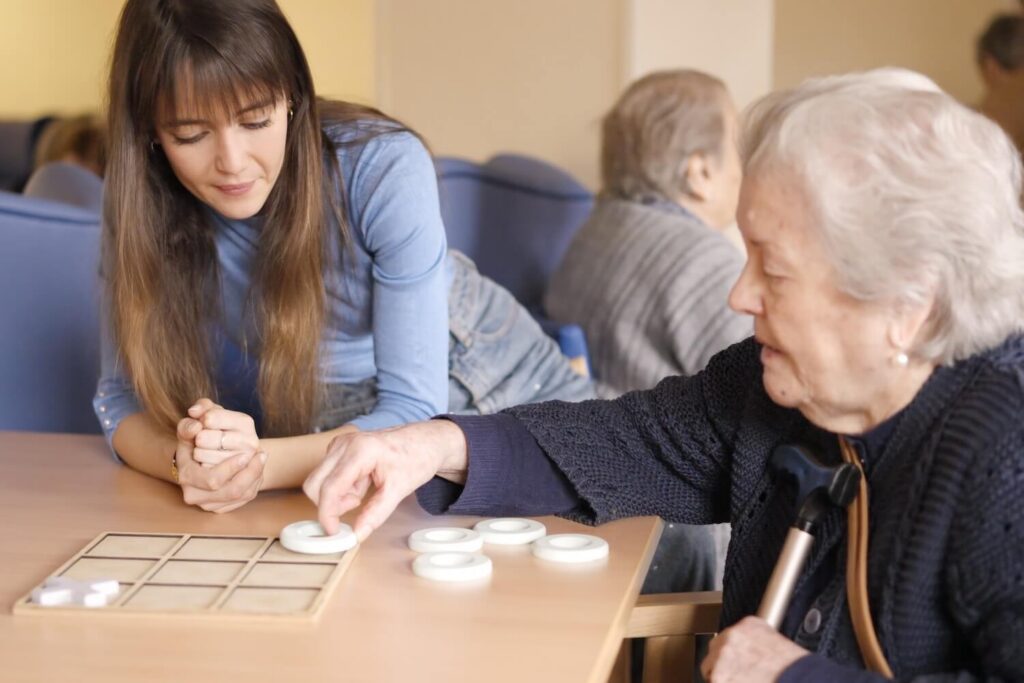
- Creative Arts and Tactile Engagement: Hands-on activities such as watercolor painting, sculpting, and puzzle-solving stimulate visual-spatial reasoning and fine motor skills. For residents with restless hands, tactile tools like fidget quilts and fabric swatches offer soothing, focused engagement.
- Animal-Assisted Comfort: Gentle interactions with therapy animals provide instant emotional comfort, lower stress levels, and make the community feel like a traditional family home.
- Sensory Outdoor Gardening: Raised garden beds allow residents to touch soil, water flowers, and cultivate vegetables, offering satisfying physical activity and sensory connection to the outdoors.
Financial Clarity and All-Inclusive Simplicity
Navigating senior living finances should be straightforward, transparent, and free from unexpected surprises. Families considering memory care deserve complete clarity so they can focus on what matters most: their loved one’s comfort and well-being.
To provide maximum flexibility, communities avoid requiring massive upfront buy-in fees or restrictive long-term lease commitments. Instead, families benefit from a simple, month-to-month rental agreement that allows them to maintain full control over their financial choices.
Monthly expenses are consolidated through a single, predictable payment system. This all-inclusive framework covers private suite rent, electricity, heating, water, phone services, three chef-prepared meals daily plus snacks, weekly housekeeping, linen services, building maintenance, 24-hour staffing, emergency monitoring, and comprehensive personalized care services. This transparent financial approach reflects the dedication of Bonaventure Senior Living to transparent, worry-free care that brings genuine peace of mind to every family served.
FAQ: Understanding Memory Care in Milwaukie
What is the main difference between assisted living and memory care in Milwaukie?
Assisted living is designed for active seniors who require help with specific daily tasks like medication reminders or bathing within a residential setting. Memory care provides a higher level of 24-hour supervision within a secure environment specifically constructed for cognitive loss, featuring continuous circular floor plans, dementia-trained care teams, and specialized therapeutic enrichment programs.
How does a secure memory care community prevent wandering?
Our memory care neighborhood utilizes secure entryways, delayed-egress exit doors, and enclosed outdoor courtyards that allow residents to enjoy fresh air safely. Continuous circular hallways eliminate dead ends, allowing residents to satisfy the urge to walk without feeling restricted or confused.
Can we bring personal furniture and items to decorate our loved one’s memory care suite?
Yes! Families are strongly encouraged to decorate private suites with familiar furniture, favorite bedding, family photographs, and cherished mementos. Personalizing the living space creates vital cognitive anchors that ease the emotional transition and make the suite feel like home.
What kind of training do memory care staff members receive?
Caregivers undergo specialized, continuous education in neurocognitive conditions, gentle redirection techniques, validation therapy, fall prevention, and non-verbal communication strategies. Staff are trained to meet residents in their perceived reality with patience, empathy, and respect.
Are pets allowed in the memory care senior living community?
Yes, our community is pet-friendly, recognizing the profound emotional comfort, unconditional affection, and companionship that animals bring to seniors. We also host regular animal therapy visits for all residents.
Is there a long-term lease or a large buy-in fee required in senior living?
No. We offer simple month-to-month rental plans with no long-term lease contracts or large buy-in fees, providing families with maximum flexibility and financial peace of mind.
Conclusion: A Confident Step Toward Peace of Mind
Recognizing that daily reminders are no longer sufficient to keep a loved one safe is a profound moment. Choosing specialized memory care is not a compromise; it is an empowering, proactive decision that prioritizes your relative’s safety, dignity, and daily happiness.
At Bonaventure of Milwaukie, memory care is delivered with exceptional warmth, resort-style comfort, and science-backed expertise. By surrounding your loved one with light-filled private suites, secure outdoor gardens, personalized routines, and compassionate 24-hour care, we ensure that every day is lived to its fullest potential. Take the next step with confidence, contact us today to book a personal tour and discover what Retirement Perfected™ can mean for your family.
